Results from Our Partner Network: Debrecen’s Shelterbelt Initiative for Cleaner Air
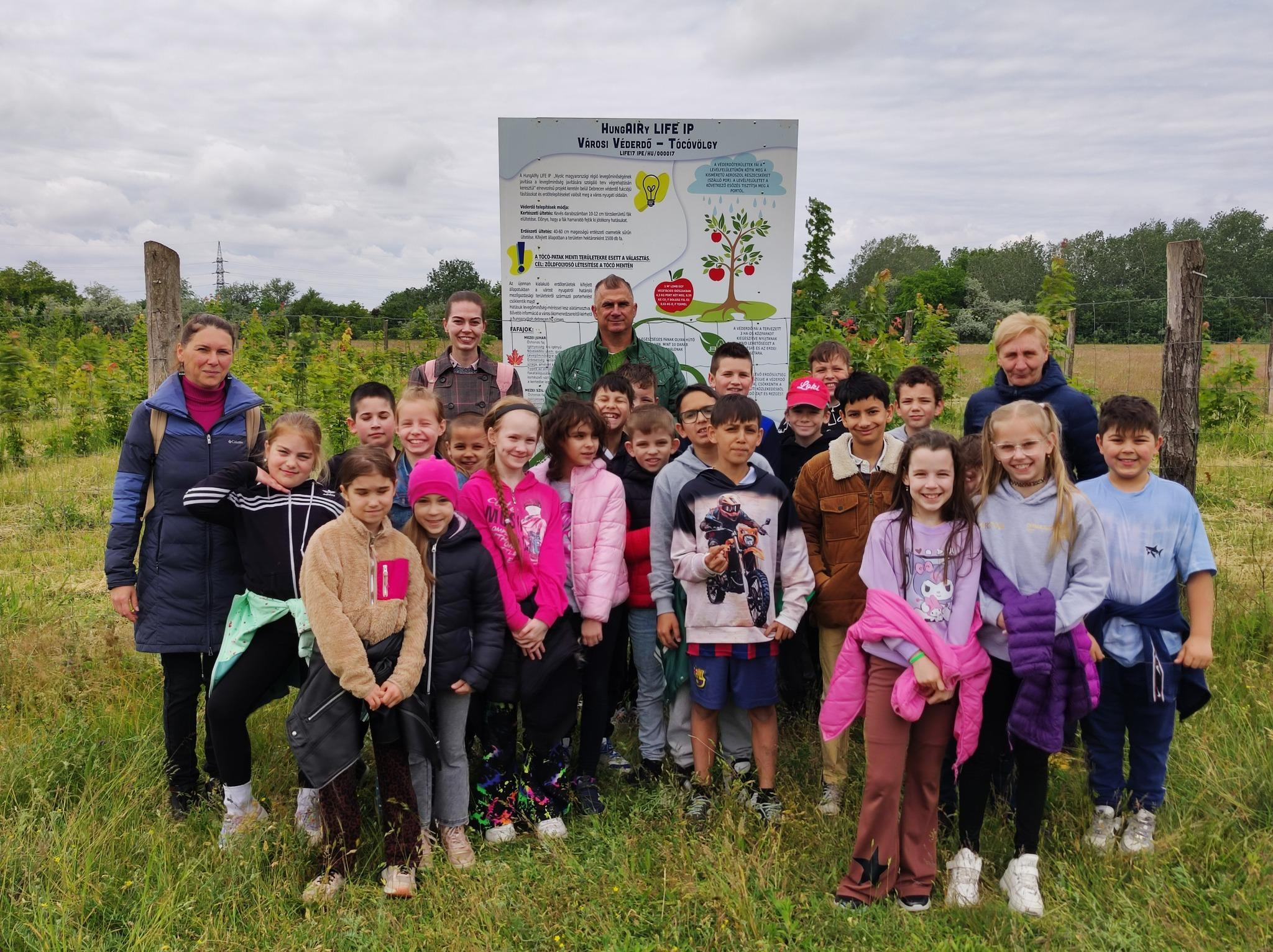
In recent years, Debrecen has taken a strategic and forward-looking approach to improving air quality. One of the key elements of these efforts is the city’s participation in the LIFE IP HungAIRy integrated environmental project, implemented with support from the European Union’s LIFE Programme. As an active project partner, Debrecen contributes to national air quality objectives through its own pilot action, demonstrating how local initiatives can deliver tangible environmental benefits.
What makes the project particularly valuable is its focus on practical measures. Alongside monitoring and planning activities, it supports real interventions that help improve air quality and enhance the urban environment.
Debrecen’s Pilot Action: Planting Shelterbelts
Air quality in Debrecen is affected by several factors. Road traffic emissions, dust from surrounding agricultural areas, residential heating – particularly the use of solid fuels – and industrial activities all contribute to air pollution. Although the city’s location on the Great Hungarian Plain generally allows for good air circulation, periods of calm weather can occasionally lead to the build-up of pollutants.
As part of the HungAIRy project, a feasibility study was prepared in 2020 to identify areas suitable for tree planting along the Tócó Stream, from Debrecen International Airport to the Józsa district. The main objective was to reduce dust pollution originating from agricultural land while creating new green spaces that also provide recreational opportunities and support environmental awareness.
The planting of shelterbelts began in autumn 2022 using two different approaches. Within the horticultural planting programme, 725 trees were planted in the areas surrounding Vezér Street and the Vértessy Mansion. The selected species included columnar oak, small-leaved lime, silver lime and field elm.
In addition, approximately 20,000 forestry seedlings were planted near Vincellér Street and Derék Street. These included various maple and elm species, as well as wild pear trees. Particular attention was given to selecting native species that are well adapted to local climatic conditions, helping to establish a resilient and sustainable green infrastructure for the future.
Beyond their ecological and aesthetic value, the shelterbelts are expected to provide measurable environmental benefits. According to estimates, once fully established, the tree stands could capture several thousand kilograms of fine particulate matter annually while also absorbing significant amounts of carbon dioxide. They will also contribute to improving the local microclimate, mitigating the urban heat island effect and creating habitats for a wide range of species.
Public Engagement and Awareness Raising
Improving air quality requires the involvement of the entire community. For this reason, the LIFE IP HungAIRy project places strong emphasis on awareness raising and public engagement.
In Debrecen, numerous public forums, school programmes and professional workshops have been organised in recent years. These activities aim to increase understanding of air quality issues while encouraging individuals to take responsibility through actions such as choosing environmentally friendly transport options, modernising heating systems and expanding green spaces.
One of the project’s key messages is that cleaner air is a shared responsibility. Lasting improvements can only be achieved through cooperation between local authorities, experts and residents.
Looking Ahead
In the coming years, maintaining and managing the newly established forested areas will remain a priority. At the same time, experts continue to explore opportunities for creating additional urban green corridors throughout the city.
Innovative smart-city solutions may also play an increasingly important role. Real-time air quality monitoring systems and data-driven decision-making tools can support more effective environmental management and contribute to further improvements in air quality over the long term.
The planting of shelterbelts is far more than a symbolic action. It is a long-term investment in a healthier and more liveable urban environment. Debrecen’s experience demonstrates that improving air quality is not solely a technological challenge. Nature-based solutions, careful planning and community cooperation can deliver meaningful results. The city’s example shows that sustainability is not a distant goal but a process built on decisions and actions taken today.


