Results from Our Partner Network: Eger’s Approach to Air Quality Protection – Everyday Solutions with an Integrated Perspective
The experiences gained through the LIFE IP HungAIRy project in Eger demonstrate that improving air quality at the local level is often not the result of a single major investment, but rather of a series of coordinated measures that reinforce one another. In Eger, the project focused on areas that directly affect everyday life: promoting sustainable mobility, reducing household air pollution, and strengthening environmental awareness.
Promoting Cycling for Cleaner Air
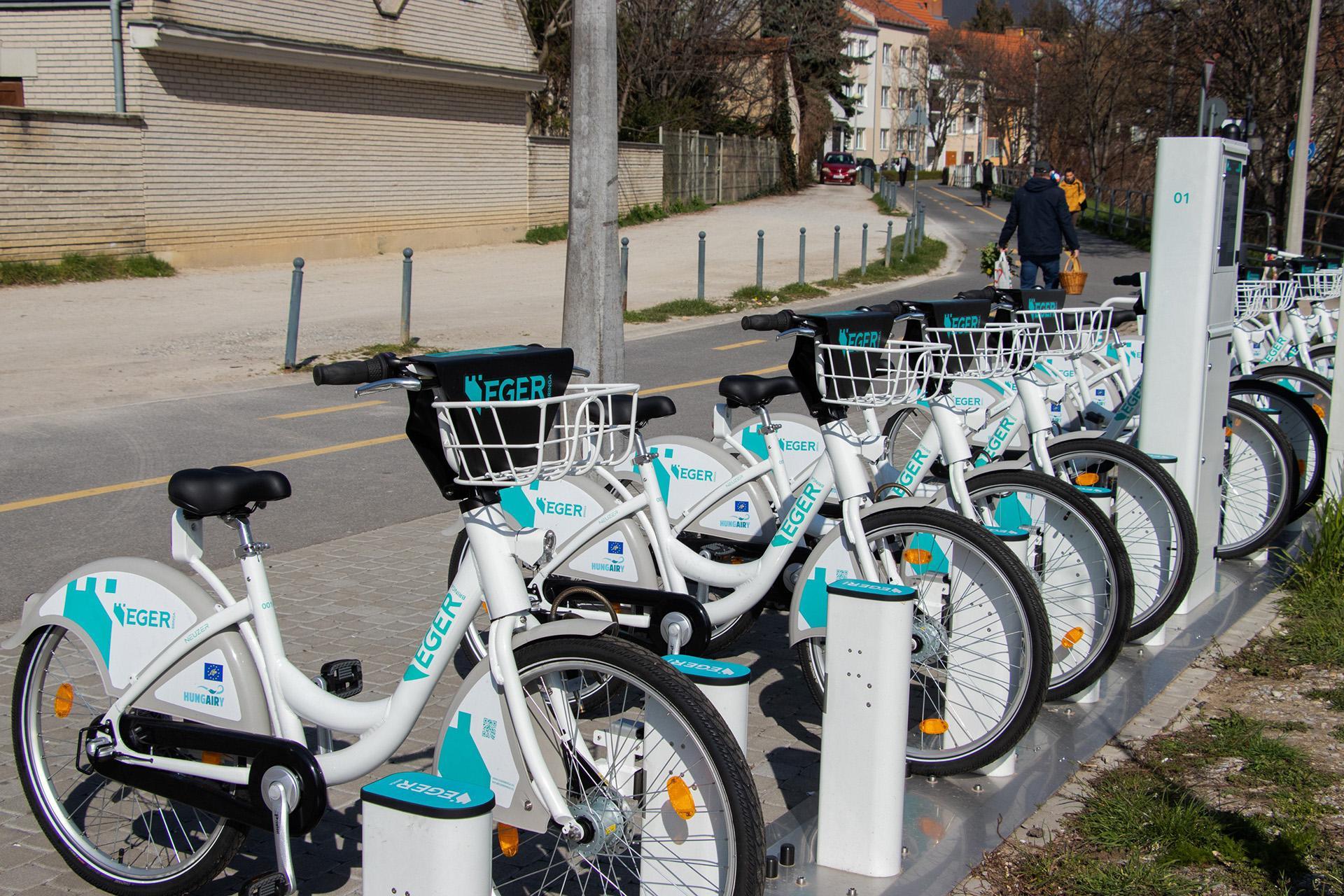
One of the best-known local initiatives of the programme was the Eger Bringa public bike-sharing system, through which two bicycle stations were established across the city. The aim of the development was to make cycling a more accessible transport alternative for both residents and visitors, thereby encouraging the use of environmentally friendly modes of transport.
The annual Cyclists’ Breakfast events also contributed to promoting sustainable mobility. These community events not only highlighted the benefits of cycling but also helped residents better understand the connection between transport choices and air quality.
Less Burning, More Composting
Another key focus of the project was composting and green waste management. This is particularly relevant in Eger, where significant amounts of green waste are generated in suburban residential areas as well as in vineyards and horticultural zones.
One of the programme’s main objectives was to demonstrate that much of this green waste can be managed locally, reducing the need for open burning and the resulting air pollution. Residents received guidance through publications, public events, and personal consultations. During on-site visits to vineyard areas, the eco-manager also provided practical advice to growers on the proper management of vine prunings.
Raising environmental awareness among younger generations was another priority. As part of the project, educational presentations were organised in schools in Eger and Gyöngyös. In addition, a locally themed storybook about composting was developed, accompanied by a drawing competition that proved highly popular. Through these activities, more than 110 children learned about the environmental benefits of composting.
Cleaner Air through Responsible Wood Burning
During the winter months, residential heating has a significant impact on air quality in Eger. For this reason, the project placed special emphasis on promoting proper wood-burning practices.
Awareness-raising presentations provided participants with practical guidance on choosing suitable firewood, drying wood correctly, and avoiding the burning of household waste. The aim was to help as many residents as possible adopt practices that both reduce environmental impacts and improve heating efficiency.
The project also complemented the City of Eger’s firewood support programme. Families receiving subsidised firewood were provided with information by the eco-manager on the principles of efficient and environmentally responsible wood burning, helping to maximise the long-term benefits of the initiative.
Following the Journey of Firewood
The HungAIRy project also examined the operation of the local firewood supply chain. The objective was to gain a better understanding of the quality and moisture content of the firewood reaching households, as well as the sources of the firewood available on the market.
The findings highlighted that, alongside promoting proper wood-burning practices, reliable firewood suppliers and transparent public information also play a crucial role in improving air quality. As part of the project, several public information materials and online educational resources were produced on this topic.
Integrating Air Quality Protection into Municipal Operations
The results of the HungAIRy project have supported not only awareness-raising activities but also municipal decision-making. With the contribution of the eco-manager, a background document was prepared to support the review of local air quality regulations, helping to strengthen environmental considerations in local policymaking.
During the project, Eger also developed its new Urban Operations Handbook. The document covers a wide range of municipal responsibilities—from park maintenance to the management of green spaces—that indirectly contribute to improving environmental quality and creating a healthier, more liveable urban environment.
Working Together for Lasting Results
The experience gained in Eger demonstrates that long-term improvements in air quality are most effective when technical solutions, public awareness initiatives, and municipal actions complement and reinforce one another. The local achievements of the LIFE IP HungAIRy project have created lasting knowledge, practical tools, and partnerships that can continue to support the development of a healthier and more sustainable urban environment well beyond the project's completion.


