T-Bike Continues to Grow in Popularity: More Than 5,400 Trips in Tatabánya
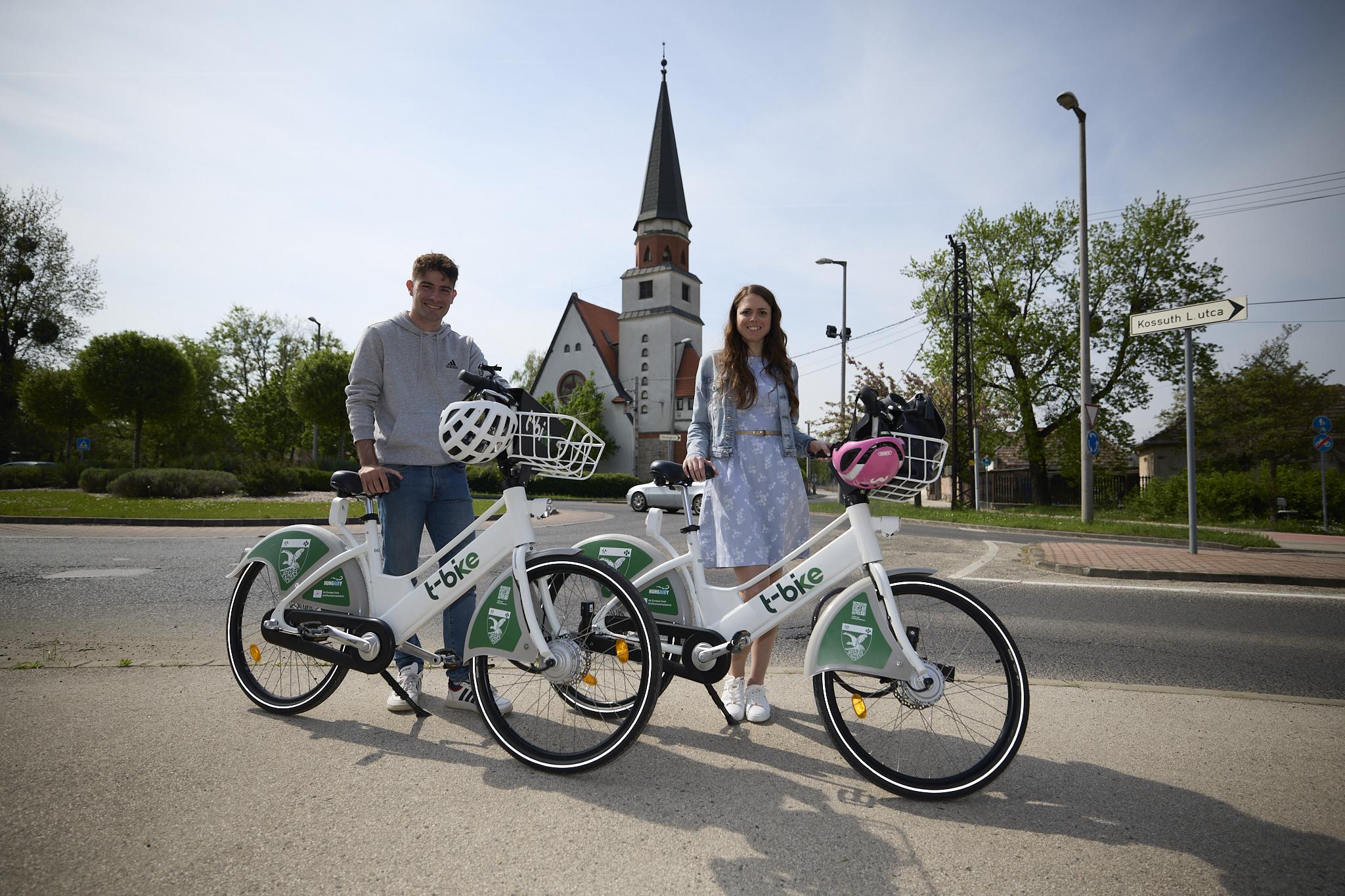
The T-Bike public bike-sharing system, established as part of the LIFE IP HungAIRy project "Improving Air Quality in Eight Regions through the Implementation of Air Quality Plans", has become an integral part of sustainable urban mobility in Tatabánya. Between May 2024 and May 2026, the system recorded more than 5,400 bicycle trips, helping reduce car use and improve local air quality. The network consists of six docking stations equipped with 75 modern hybrid docks. Users have access to 25 conventional bicycles and 25 electrically assisted bicycles, providing an attractive and environmentally friendly alternative to travelling by car.
Traffic data clearly demonstrate that the system has quickly become part of everyday life in the city. During its first year of operation in 2024, nearly 1,400 registered users completed more than 2,270 trips, confirming strong demand for the service from the outset. Despite weather conditions and seasonal fluctuations, usage remained stable throughout 2025, with the number of trips again exceeding 2,250, indicating that T-Bike has become a permanent feature of urban transport in Tatabánya.
Most journeys made using the system cover distances between one and five kilometres. These are trips that many residents would otherwise make by car. Such short-distance journeys are particularly associated with high vehicle emissions due to cold engine starts, making the shift to cycling especially beneficial for local air quality.
Between May 2024 and May 2026, the T-Bike public bike-sharing system facilitated a total of 5,408 bicycle trips. According to conservative estimates, this may have replaced between 1,000 and 2,000 car journeys, preventing the emission of approximately 300–600 kilograms of carbon dioxide. The system has also contributed to reducing local emissions of nitrogen oxides and particulate matter. As a result, T-Bike not only provides a sustainable transport alternative but also supports efforts to improve air quality and reduce the environmental impact of transport in Tatabánya.
Based on traffic data and user feedback, several improvements have recently been introduced to reduce financial barriers to using the service and make the system more attractive. The changes, which came into effect in June 2026, include a reduction in the security deposit, adjustments to the free rental period and significantly expanded subscription discounts available to Tatabánya Card holders. Together, these complementary measures are expected to further increase the attractiveness and use of the system.
One of the most significant changes is the reduction of the security deposit from HUF 10,000 to HUF 5,000 for all bicycles. Previously, the higher deposit represented a considerable barrier, particularly for occasional users wishing to try the service. Halving the deposit lowers the initial cost of registration, making the system more accessible to young people, students, occasional users and tourists.
The free rental period has been adjusted from 30 minutes to 15 minutes, bringing the system more closely into line with common practice among public bike-sharing schemes while supporting its long-term financial sustainability. A 15-minute free rental period remains sufficient for most short journeys within the city.
Another important incentive is the substantial reduction in subscription prices for Tatabánya Card holders. The monthly subscription fee has been reduced by 60%, the six-month subscription by 67%, and the annual subscription by nearly 70%. These significant discounts are expected to encourage many more residents to choose long-term subscriptions.
The continued development of the T-Bike public bike-sharing system closely supports the objectives of the LIFE IP HungAIRy project. By promoting environmentally friendly modes of transport, it contributes to improving air quality in Tatabánya, reducing the environmental impact of urban transport and creating a more liveable and sustainable urban environment. The next phase of development will focus on encouraging even more regular use of the system through discounted subscriptions, technological improvements and stronger regional integration.


