Results from Our Partner Network: Green Developments and Conscious Actions for Cleaner Air in Békéscsaba
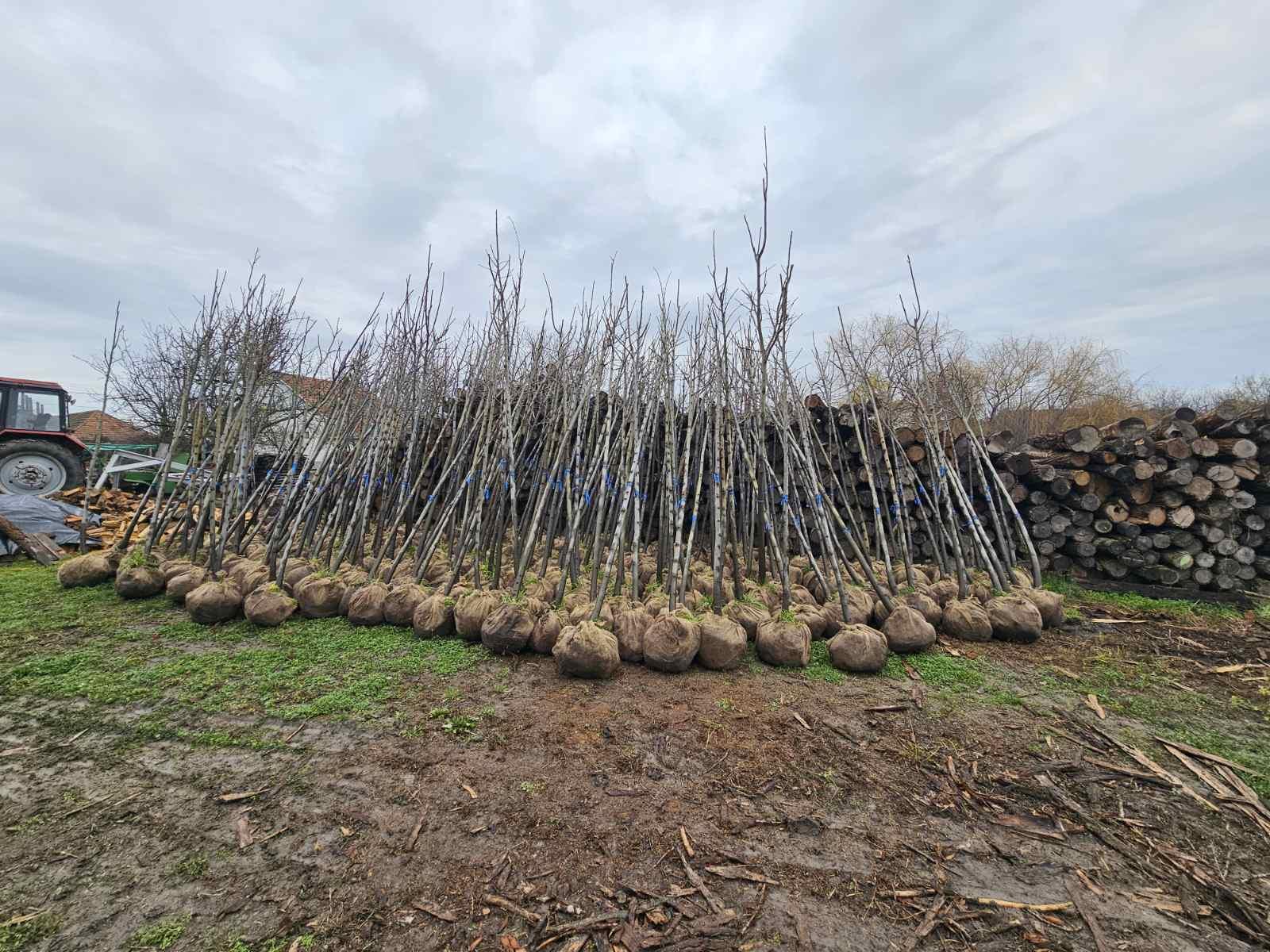
Békéscsaba has implemented several complementary measures in recent years within the framework of the LIFE IP HungAIRy project. The city has launched an extensive tree planting programme, established a permanent air quality monitoring station, and supported the uptake of more environmentally friendly residential heating practices through awareness-raising activities and professional analyses. The common goal of these developments is to ensure cleaner air and a more liveable urban environment for the residents of Békéscsaba in the long term.
Green Infrastructure for Cleaner Air
Urban green spaces are an important element of measures aimed at improving air quality: they can contribute to reducing air pollution, improve the urban microclimate, and help municipalities adapt to the impacts of climate change. To this end, Békéscsaba implemented a comprehensive tree planting programme within the framework of the LIFE IP HungAIRy project. A key element of the programme is the Park Forest established in CsabaPark, one of the city’s most important recreational areas, covering approximately 51 hectares.
As part of the project, afforestation was carried out on more than 15 hectares, with approximately 105,000 nursery-grown seedlings and 1,265 saplings intended for planting in rows. The developments covered CsabaPark, the Jamina district, the areas behind the Franklin Street rental apartments, the surroundings of the wastewater treatment plant, as well as several major urban traffic routes, including Orosházi Road, Szarvasi Road and Kolozsvári Street, where missing street trees were also replaced. The planting was carried out with the involvement of experienced forestry professionals and under continuous engineering supervision.
The developments did not end with the planting itself. During the maintenance period, irrigation, plant health monitoring, necessary replacements and regular maintenance will help ensure that the planted vegetation contributes to reducing the concentration of particulate matter, improving the urban microclimate and creating a more liveable urban environment in the long term.
Environmental education is also an important part of the development. An educational trail will soon be established in CsabaPark, presenting the natural values, wildlife and history of the Park Forest in an interactive way. The information boards, scheduled for completion by the end of summer, are intended to bring nature and the importance of environmental protection closer to local residents and visitors.
Permanent Air Quality Monitoring in Békéscsaba
Another significant achievement of the project was the launch of a permanent air quality monitoring station in Békéscsaba at the end of 2021. Previously, the city had no continuous monitoring system in place. The station measures the concentrations of ozone, nitrogen oxides (NO, NO₂, NOx), sulphur dioxide, carbon monoxide and particulate matter (PM10 and PM2.5) 24 hours a day, while also recording the most important meteorological data. As part of the National Air Quality Monitoring Network, the measurement data are continuously transmitted to HungaroMet Nonprofit Ltd., while the latest results are publicly available on the National Air Quality Monitoring Network website.
Continuous data collection provides a more accurate picture of air quality trends in the city, supports forecasting and provides a sound basis for measures aimed at improving air quality.
Cleaner Air Through Conscious Heating Practices
Residential heating – particularly inappropriate heating practices – remains one of the most significant sources of air pollution during the heating season. The level of emissions is significantly influenced by the heating technology used, the condition of heating appliances and the quality of the fuel. Burning insufficiently dried firewood or materials unsuitable for heating can substantially increase air pollution.
Within the framework of the LIFE IP HungAIRy project, experts mapped the residential firewood supply chain, identified the main challenges and developed proposals to improve access to suitable-quality fuel. The study prepared as part of the project also examined the supply system of Békéscsaba and the surrounding settlements and identified potential long-term solutions. This terminology is consistent with the project’s established use of “wood supply chain” in its English-language materials.
Alongside the professional work, particular emphasis was placed on raising public awareness. The Eco-managers, with the involvement of experts, organised awareness-raising campaigns and public lectures highlighting the health and environmental impacts of inappropriate combustion practices. The programmes also provided practical advice on selecting suitable fuels and developing more environmentally friendly heating practices.


